
Going beyond traditional sorting machines with AI
Published on
by
Scortex Team
In an increasingly demanding industrial context, the choice of quality control tools becomes a key factor of performance, aiming to go beyond simple sorting machines. In the face of the increasing number of available solutions on the market, manufacturers must adopt a structured approach to select the technologies most suited to their specific needs. Discover how to make the right choice for your production line.
To understand how AI is redefining these standards, we detail the applications of artificial intelligence in quality control in a dedicated article.
From sorting machines to modern quality control
The digital transformation of the industry has revolutionized traditional sorting machine approaches to quality control. Solutions based on artificial intelligence, such as those developed by Scortex, now allow for achieving unparalleled levels of precision and efficiency. We also explain how to optimize production quality using AI in a comprehensive analysis. This evolution meets the increasing demands for traceability, speed, and accuracy of controls. It is in this spirit that we have joined forces with IAR Group to transform industrial quality control through AI.
Advanced technologies for quality control
The emergence of new technologies is radically transforming the possibilities for quality control. Current solutions combine several complementary technologies to offer a comprehensive and precise approach, and automated inspection thus represents significant advantages in quality control.
Major innovations in industrial quality control
Modern quality control systems rely on four main technologies:
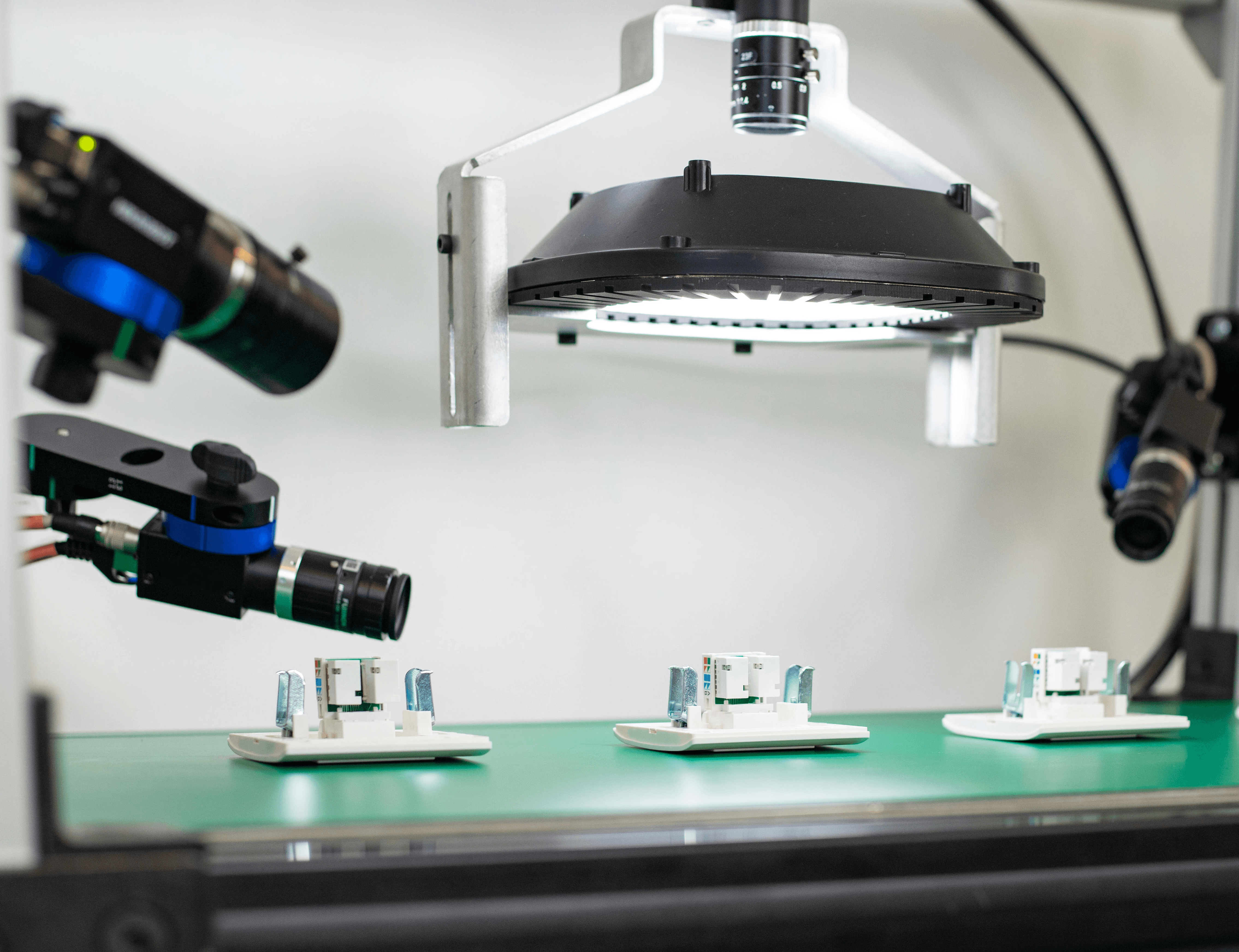
Industrial vision combined with AI allows for ultra-precise automated visual inspection, capable of detecting the tiniest defects at high speed. Deep learning algorithms continuously improve their performance through ongoing learning.
X-ray inspection revolutionizes non-destructive testing by allowing internal analysis of products without contact. This technology is particularly relevant in the automotive and electronics sectors, where compliance with standards is crucial. To go further, we take the example of the automotive industry and detail how to understand quality standards in this industry in this dedicated article.
Spectrometric analysis ensures the conformity of material compositions, a crucial aspect in the chemical and pharmaceutical industries.
AI and machine learning systems analyze production data in real-time to prevent defects before they occur.
For example, we have listed the visual quality defects to avoid in cosmetic production and explained how a luxury brand revolutionized its lipstick quality control through these modern systems.
Methodology for selecting tools
The choice of quality control tools requires a methodical approach that considers all the constraints and objectives of the company.
The plastics sector particularly illustrates the importance of choosing the right tools. We explain the definition and functioning of plastic injection, as well as the digitization of quality inspection for the plastic industry.
Essential criteria for optimal quality control
The selection must be based on several fundamental criteria:
Adaptability to the specificities of production is the first selection criterion. Tools must integrate perfectly with existing lines without disrupting production flows.
The return on investment must be clearly quantifiable. Acquisition and operating costs must be put in perspective with the expected gains in terms of quality and productivity.
Ease of use and maintenance directly influence operational efficiency. Intuitive interfaces and appropriate training for operators are essential.
Concrete solutions and applications
Experience shows that companies opting for modern quality control solutions achieve significant results. They notably see a decrease in defects and an overall operational improvement.
We have detailed how quality represents the greatest opportunity for operational improvement and cost reduction.
Successful examples in quality control
In the automotive industry, the integration of Scortex industrial vision systems has significantly reduced defect rates while increasing production speed.
The electronics sector is undergoing a major transformation thanks to AI. Printed circuit manufacturers now achieve defect detection rates above 99%.
The food industry is improving its food safety through automated inspection systems that ensure comprehensive production control.
Forging and foundry companies also benefit from these advancements. We detail this evolution in our article on the digitization of quality inspection for the forging and molding industry.
The choice of quality control tools represents a strategic investment for the future of your production. AI-based solutions, such as those offered by Scortex, are now the benchmark for manufacturers concerned with operational excellence. By combining human expertise and advanced technologies, these systems enable achieving unprecedented levels of quality while optimizing production costs.
Going beyond traditional sorting machines with AI
Published on
by
Scortex Team
In an increasingly demanding industrial context, the choice of quality control tools becomes a key factor of performance, aiming to go beyond simple sorting machines. In the face of the increasing number of available solutions on the market, manufacturers must adopt a structured approach to select the technologies most suited to their specific needs. Discover how to make the right choice for your production line.
To understand how AI is redefining these standards, we detail the applications of artificial intelligence in quality control in a dedicated article.
From sorting machines to modern quality control
The digital transformation of the industry has revolutionized traditional sorting machine approaches to quality control. Solutions based on artificial intelligence, such as those developed by Scortex, now allow for achieving unparalleled levels of precision and efficiency. We also explain how to optimize production quality using AI in a comprehensive analysis. This evolution meets the increasing demands for traceability, speed, and accuracy of controls. It is in this spirit that we have joined forces with IAR Group to transform industrial quality control through AI.
Advanced technologies for quality control
The emergence of new technologies is radically transforming the possibilities for quality control. Current solutions combine several complementary technologies to offer a comprehensive and precise approach, and automated inspection thus represents significant advantages in quality control.
Major innovations in industrial quality control
Modern quality control systems rely on four main technologies:
Industrial vision combined with AI allows for ultra-precise automated visual inspection, capable of detecting the tiniest defects at high speed. Deep learning algorithms continuously improve their performance through ongoing learning.
X-ray inspection revolutionizes non-destructive testing by allowing internal analysis of products without contact. This technology is particularly relevant in the automotive and electronics sectors, where compliance with standards is crucial. To go further, we take the example of the automotive industry and detail how to understand quality standards in this industry in this dedicated article.
Spectrometric analysis ensures the conformity of material compositions, a crucial aspect in the chemical and pharmaceutical industries.
AI and machine learning systems analyze production data in real-time to prevent defects before they occur.
For example, we have listed the visual quality defects to avoid in cosmetic production and explained how a luxury brand revolutionized its lipstick quality control through these modern systems.
Methodology for selecting tools
The choice of quality control tools requires a methodical approach that considers all the constraints and objectives of the company.
The plastics sector particularly illustrates the importance of choosing the right tools. We explain the definition and functioning of plastic injection, as well as the digitization of quality inspection for the plastic industry.
Essential criteria for optimal quality control
The selection must be based on several fundamental criteria:
Adaptability to the specificities of production is the first selection criterion. Tools must integrate perfectly with existing lines without disrupting production flows.
The return on investment must be clearly quantifiable. Acquisition and operating costs must be put in perspective with the expected gains in terms of quality and productivity.
Ease of use and maintenance directly influence operational efficiency. Intuitive interfaces and appropriate training for operators are essential.
Concrete solutions and applications
Experience shows that companies opting for modern quality control solutions achieve significant results. They notably see a decrease in defects and an overall operational improvement.
We have detailed how quality represents the greatest opportunity for operational improvement and cost reduction.
Successful examples in quality control
In the automotive industry, the integration of Scortex industrial vision systems has significantly reduced defect rates while increasing production speed.
The electronics sector is undergoing a major transformation thanks to AI. Printed circuit manufacturers now achieve defect detection rates above 99%.
The food industry is improving its food safety through automated inspection systems that ensure comprehensive production control.
Forging and foundry companies also benefit from these advancements. We detail this evolution in our article on the digitization of quality inspection for the forging and molding industry.
The choice of quality control tools represents a strategic investment for the future of your production. AI-based solutions, such as those offered by Scortex, are now the benchmark for manufacturers concerned with operational excellence. By combining human expertise and advanced technologies, these systems enable achieving unprecedented levels of quality while optimizing production costs.
Let's discuss your quality today.

Scortex team is happy to answer your questions.
Let's discuss your quality today.
Scortex team is happy to answer your questions.

Join our newsletter
Some visuals on this site were generated using AI.
Join our newsletter
Some visuals on this site were generated using AI.