
Applications of Artificial Intelligence in quality control
Published on
by
Scortex team
Artificial intelligence (AI) is profoundly transforming the field of quality control by introducing more efficient, precise, and automated methods. Thanks to machine learning, neural networks, and data processing algorithms, AI enables improved defect detection, optimizes production processes, and guarantees consistent product quality. In this article, we will explore the various applications of AI in quality control, its advantages, and future prospects.
Definition of Artificial Intelligence in Quality Control
Artificial intelligence in quality control refers to the use of AI technologies to automate, improve, and optimize the inspection and verification processes of products. This includes techniques such as machine learning, computer vision, and predictive analysis to detect anomalies and ensure compliance with quality standards.
Applications of AI in Quality Control
Defect Detection
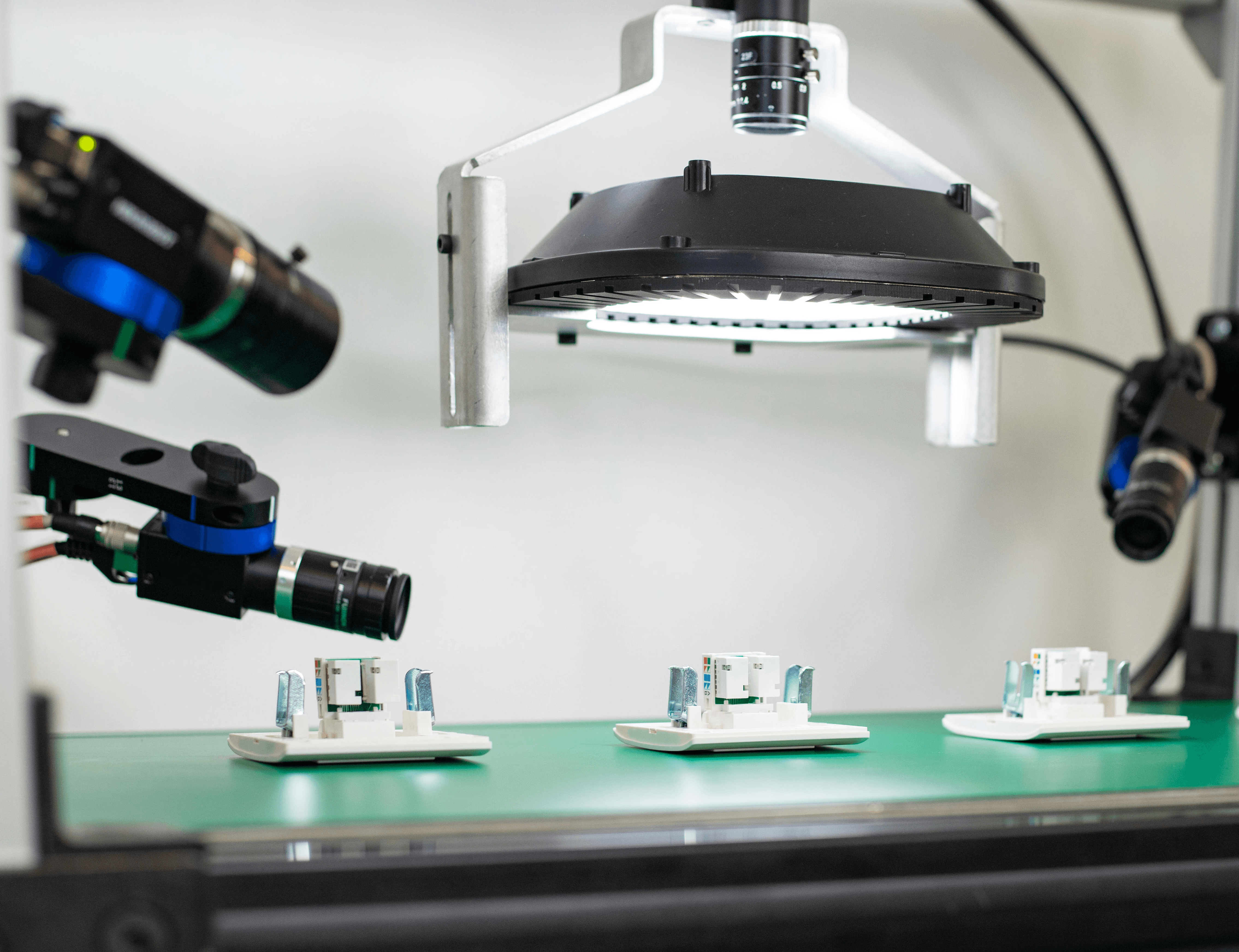
AI is used to analyze product images and detect defects with greater accuracy than traditional methods. Computer vision algorithms can identify subtle anomalies, such as cracks, scratches, or color variations.
Predictive Analysis
Machine learning models can analyze real-time production data to predict quality issues before they occur. This allows companies to take preventive measures and avoid costly defects.
Process Optimization
AI algorithms can analyze production processes to identify inefficiencies and propose improvements. This includes optimizing manufacturing parameters to reduce variations and improve quality.
Data Analysis
AI enables the processing and analysis of large amounts of production data to identify trends, correlations, and root causes of defects. Companies can then implement corrective actions based on precise and reliable insights.
Advantages of AI in Quality Control
Accuracy and Reliability
AI systems offer superior accuracy and reliability in detecting defects, thereby reducing rejection rates and returns of defective products.
Efficiency and Speed
The automation of inspections by AI allows a large number of products to be processed in record time, thus increasing productivity and reducing delivery times.
Cost Reduction
By improving defect detection and optimizing production processes, AI helps reduce costs associated with waste, product returns, and human intervention.
Continuous Improvement
The predictive analysis and process optimization capabilities of AI enable companies to continuously improve their production methods and ensure consistent product quality.
Customization
AI allows for the customization of inspections and quality control processes according to the specificities of each product, ensuring better adaptation to customer and market requirements.
Case Studies: Successful AI Applications in Quality Control
Automotive Industry
An automobile manufacturer used AI to analyze images of engine parts and detect manufacturing defects. This technology resulted in a 30% reduction in defect rates and improved vehicle reliability.
Electronics
A semiconductor manufacturing company integrated machine learning algorithms to optimize production parameters and reduce quality variations. This led to a significant improvement in yield and a reduction in production costs.
Future Prospects of AI in Quality Control
Evolution of Technologies
Continuous advancements in AI and machine learning will enable the development of even more accurate and efficient quality control systems that can manage increasingly complex production environments.
Integration with the Internet of Things (IoT)
The integration of AI with IoT will enable real-time data collection and analysis from sensors and connected equipment, providing a comprehensive and instant view of production processes.
Development of Customized Solutions
AI quality control solutions will become increasingly customized to meet the specific needs of each company and sector, offering unique competitive advantages.
Increased Adoption
As AI technologies become more accessible and their value is proven, more companies will adopt these solutions to improve their quality control and competitiveness.
Artificial intelligence offers significant opportunities to revolutionize quality control. Its capabilities for defect detection, predictive analysis, automation, and process optimization allow companies to improve the accuracy, efficiency, and consistency of their inspections. By adopting advanced AI technologies like those from Spark by Scortex, companies can not only guarantee high-quality standards but also remain competitive in an ever-evolving market.
To illustrate how AI allows us to overcome the limits of traditional approaches, we explain in detail how to go beyond quality sorting machines thanks to AI in a dedicated article.
Here are other articles that may interest you:
Applications of Artificial Intelligence in quality control
Published on
by
Scortex team
Artificial intelligence (AI) is profoundly transforming the field of quality control by introducing more efficient, precise, and automated methods. Thanks to machine learning, neural networks, and data processing algorithms, AI enables improved defect detection, optimizes production processes, and guarantees consistent product quality. In this article, we will explore the various applications of AI in quality control, its advantages, and future prospects.
Definition of Artificial Intelligence in Quality Control
Artificial intelligence in quality control refers to the use of AI technologies to automate, improve, and optimize the inspection and verification processes of products. This includes techniques such as machine learning, computer vision, and predictive analysis to detect anomalies and ensure compliance with quality standards.
Applications of AI in Quality Control
Defect Detection
AI is used to analyze product images and detect defects with greater accuracy than traditional methods. Computer vision algorithms can identify subtle anomalies, such as cracks, scratches, or color variations.
Predictive Analysis
Machine learning models can analyze real-time production data to predict quality issues before they occur. This allows companies to take preventive measures and avoid costly defects.
Process Optimization
AI algorithms can analyze production processes to identify inefficiencies and propose improvements. This includes optimizing manufacturing parameters to reduce variations and improve quality.
Data Analysis
AI enables the processing and analysis of large amounts of production data to identify trends, correlations, and root causes of defects. Companies can then implement corrective actions based on precise and reliable insights.
Advantages of AI in Quality Control
Accuracy and Reliability
AI systems offer superior accuracy and reliability in detecting defects, thereby reducing rejection rates and returns of defective products.
Efficiency and Speed
The automation of inspections by AI allows a large number of products to be processed in record time, thus increasing productivity and reducing delivery times.
Cost Reduction
By improving defect detection and optimizing production processes, AI helps reduce costs associated with waste, product returns, and human intervention.
Continuous Improvement
The predictive analysis and process optimization capabilities of AI enable companies to continuously improve their production methods and ensure consistent product quality.
Customization
AI allows for the customization of inspections and quality control processes according to the specificities of each product, ensuring better adaptation to customer and market requirements.
Case Studies: Successful AI Applications in Quality Control
Automotive Industry
An automobile manufacturer used AI to analyze images of engine parts and detect manufacturing defects. This technology resulted in a 30% reduction in defect rates and improved vehicle reliability.
Electronics
A semiconductor manufacturing company integrated machine learning algorithms to optimize production parameters and reduce quality variations. This led to a significant improvement in yield and a reduction in production costs.
Future Prospects of AI in Quality Control
Evolution of Technologies
Continuous advancements in AI and machine learning will enable the development of even more accurate and efficient quality control systems that can manage increasingly complex production environments.
Integration with the Internet of Things (IoT)
The integration of AI with IoT will enable real-time data collection and analysis from sensors and connected equipment, providing a comprehensive and instant view of production processes.
Development of Customized Solutions
AI quality control solutions will become increasingly customized to meet the specific needs of each company and sector, offering unique competitive advantages.
Increased Adoption
As AI technologies become more accessible and their value is proven, more companies will adopt these solutions to improve their quality control and competitiveness.
Artificial intelligence offers significant opportunities to revolutionize quality control. Its capabilities for defect detection, predictive analysis, automation, and process optimization allow companies to improve the accuracy, efficiency, and consistency of their inspections. By adopting advanced AI technologies like those from Spark by Scortex, companies can not only guarantee high-quality standards but also remain competitive in an ever-evolving market.
To illustrate how AI allows us to overcome the limits of traditional approaches, we explain in detail how to go beyond quality sorting machines thanks to AI in a dedicated article.
Here are other articles that may interest you:
Let's discuss your quality today.

Scortex team is happy to answer your questions.
Let's discuss your quality today.
Scortex team is happy to answer your questions.

Join our newsletter
Some visuals on this site were generated using AI.
Join our newsletter
Some visuals on this site were generated using AI.