
How to optimize production quality with artificial intelligence?
Published on
by
Scortex Team
Production quality today represents a major challenge for manufacturing industries. Faced with the increasing demands of customers and the complexity of manufacturing processes, companies must rethink their approaches to quality control. In this article, we will explore how artificial intelligence is revolutionizing traditional quality control methods and enabling the achievement of new standards of operational excellence.
Current Challenges of Production Quality
The manufacturing sector faces unprecedented challenges in terms of production quality. The globalization of supply chains, the acceleration of production cycles, and the diversification of products create constant pressure on traditional quality control systems. Companies must not only ensure impeccable quality but also maintain high production rates while minimizing costs.
Impact of Production Quality on Industrial Performance
Production quality directly influences several critical aspects of industrial performance. Effective quality control significantly reduces costs related to scrap and customer returns while strengthening the company’s reputation. An improvement of 1% in the quality rate can generate substantial savings, potentially reaching several hundred thousand euros per year for an average production line.
Technological Innovation in the Service of Quality
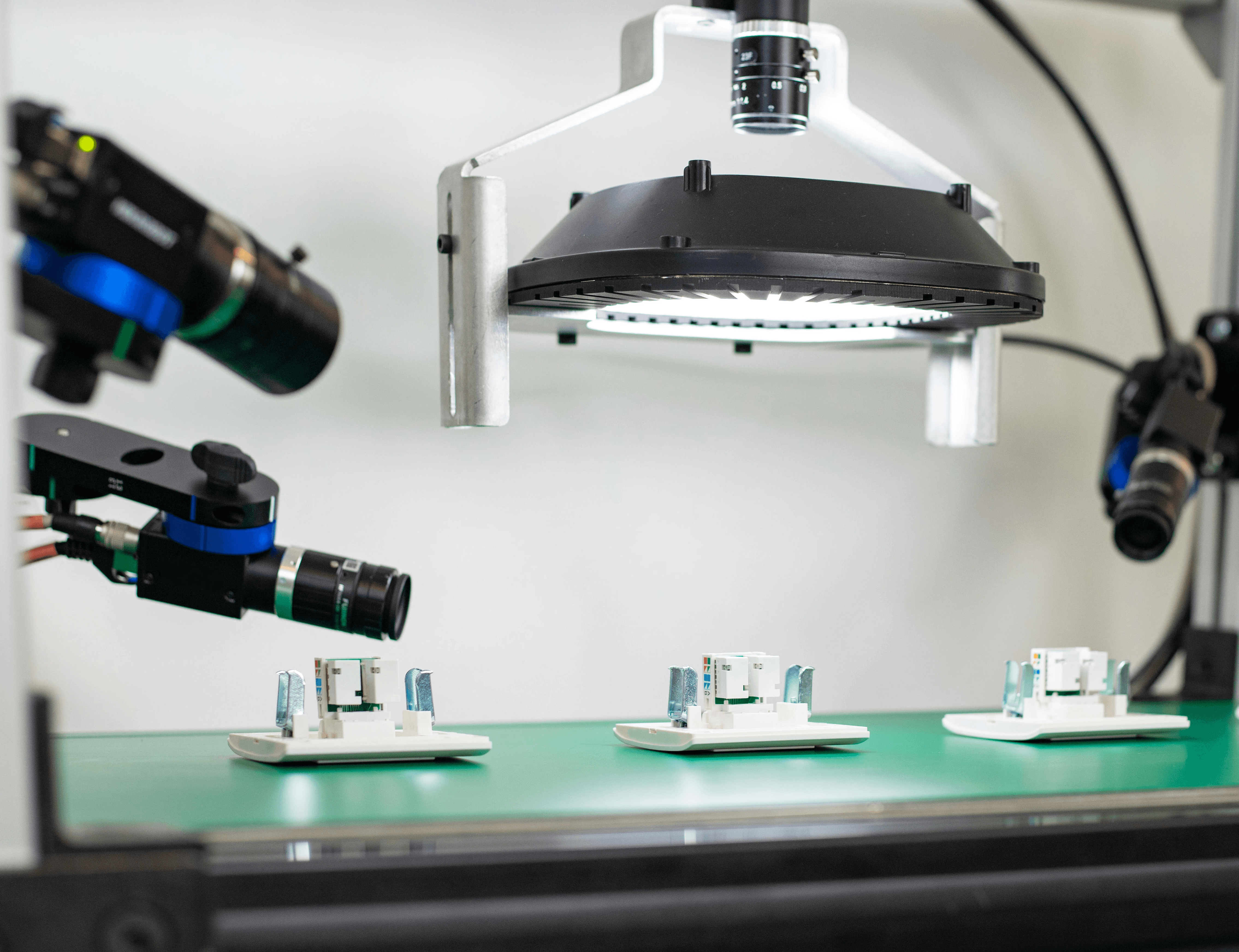
The advent of artificial intelligence and industrial vision is radically transforming the approach to quality control. Automated solutions, such as those developed by Scortex, allow for real-time inspection of products with unprecedented precision. These systems quickly adapt to new products and detect defects that were previously impossible to identify with traditional methods.
Continuous Improvement Methodology
Quality improvement requires a structured and systematic approach. The PDCA (Plan-Do-Check-Act) method, combined with modern digital tools, enables the establishment of a virtuous cycle of continuous improvement. This approach, supported by AI solutions, ensures a constant progression of quality standards.
The Pillars of Optimal Production Quality
The digital transformation of quality control relies on four fundamental pillars: Automated data collection, real-time analysis of production parameters, preventive intervention based on artificial intelligence, and continuous training of teams on new tools.
Operational Excellence Through Production Quality
The integration of automated quality control solutions like Spark from Scortex not only improves quality but also optimizes the entire production process. The collected data feeds a virtuous circle of continuous improvement, allowing companies to maintain their competitive edge in an increasingly demanding market.
The digital transformation of quality control represents a unique opportunity for manufacturing industries. AI solutions, such as those offered by Scortex, provide not only immediate improvements in production quality but also a solid foundation for the industry of the future. Companies that adopt these technologies today are well-positioned to meet the challenges of tomorrow.
To illustrate how AI allows for surpassing the limits of traditional approaches, we explain in detail how to go beyond quality sorting machines with AI in a dedicated article.
How to optimize production quality with artificial intelligence?
Published on
by
Scortex Team
Production quality today represents a major challenge for manufacturing industries. Faced with the increasing demands of customers and the complexity of manufacturing processes, companies must rethink their approaches to quality control. In this article, we will explore how artificial intelligence is revolutionizing traditional quality control methods and enabling the achievement of new standards of operational excellence.
Current Challenges of Production Quality
The manufacturing sector faces unprecedented challenges in terms of production quality. The globalization of supply chains, the acceleration of production cycles, and the diversification of products create constant pressure on traditional quality control systems. Companies must not only ensure impeccable quality but also maintain high production rates while minimizing costs.
Impact of Production Quality on Industrial Performance
Production quality directly influences several critical aspects of industrial performance. Effective quality control significantly reduces costs related to scrap and customer returns while strengthening the company’s reputation. An improvement of 1% in the quality rate can generate substantial savings, potentially reaching several hundred thousand euros per year for an average production line.
Technological Innovation in the Service of Quality
The advent of artificial intelligence and industrial vision is radically transforming the approach to quality control. Automated solutions, such as those developed by Scortex, allow for real-time inspection of products with unprecedented precision. These systems quickly adapt to new products and detect defects that were previously impossible to identify with traditional methods.
Continuous Improvement Methodology
Quality improvement requires a structured and systematic approach. The PDCA (Plan-Do-Check-Act) method, combined with modern digital tools, enables the establishment of a virtuous cycle of continuous improvement. This approach, supported by AI solutions, ensures a constant progression of quality standards.
The Pillars of Optimal Production Quality
The digital transformation of quality control relies on four fundamental pillars: Automated data collection, real-time analysis of production parameters, preventive intervention based on artificial intelligence, and continuous training of teams on new tools.
Operational Excellence Through Production Quality
The integration of automated quality control solutions like Spark from Scortex not only improves quality but also optimizes the entire production process. The collected data feeds a virtuous circle of continuous improvement, allowing companies to maintain their competitive edge in an increasingly demanding market.
The digital transformation of quality control represents a unique opportunity for manufacturing industries. AI solutions, such as those offered by Scortex, provide not only immediate improvements in production quality but also a solid foundation for the industry of the future. Companies that adopt these technologies today are well-positioned to meet the challenges of tomorrow.
To illustrate how AI allows for surpassing the limits of traditional approaches, we explain in detail how to go beyond quality sorting machines with AI in a dedicated article.
Let's discuss your quality today.

Scortex team is happy to answer your questions.
Let's discuss your quality today.
Scortex team is happy to answer your questions.

Join our newsletter
Some visuals on this site were generated using AI.
Join our newsletter
Some visuals on this site were generated using AI.