How to build an effective quality defect library?
Published on
by
Scortex Team
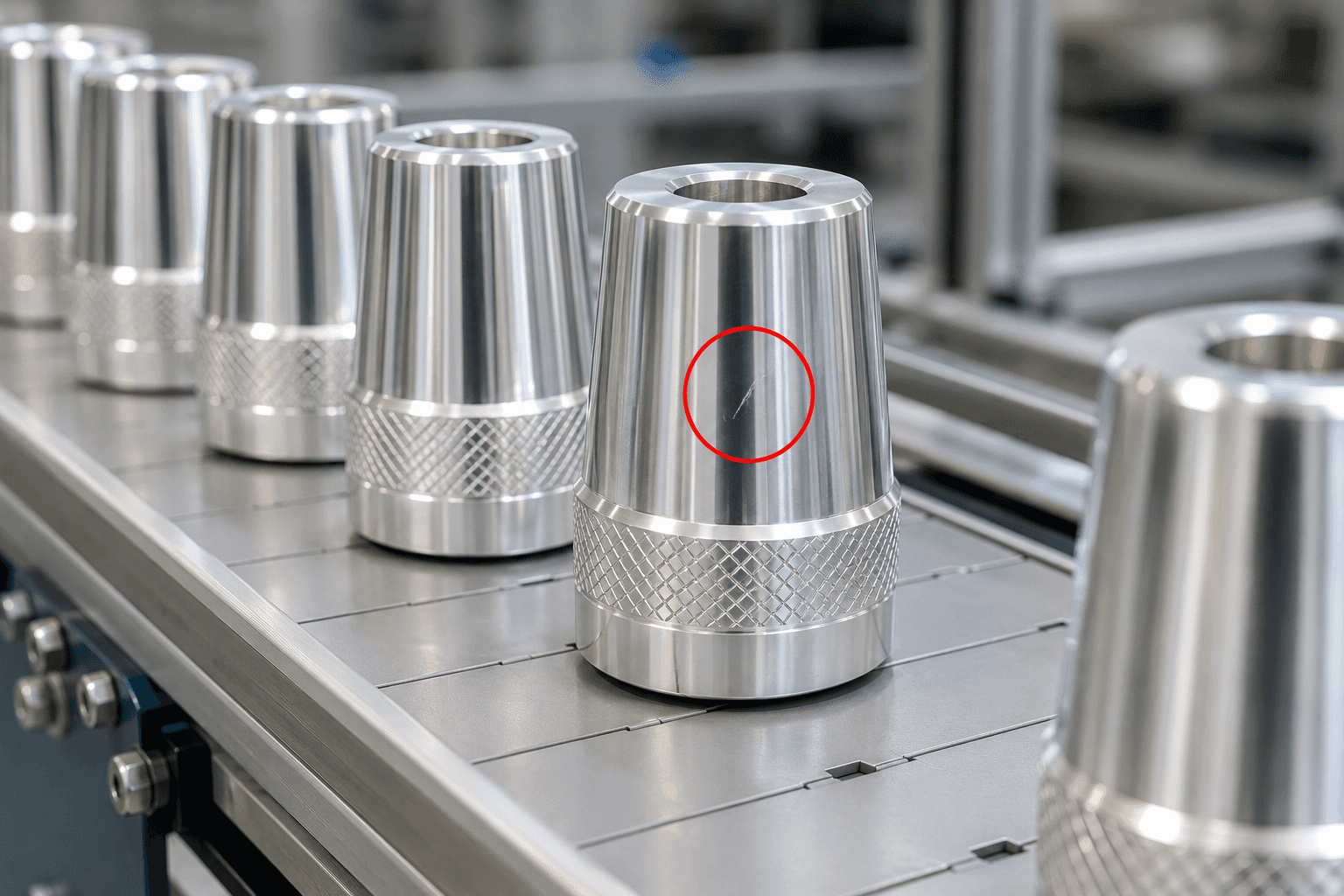
A customer complaint arrives. A scratch has been detected on a delivered part. Immediately, the same questions come back: was this Defect already known? Was it considered acceptable? Are there similar examples? Who made the decision to accept it?
In many factories, answers are hard to find. Defects are sometimes documented in Excel files, PowerPoint presentations or quality documents that are rarely updated. Part of the knowledge also relies on the experience of the most experienced operators. Result: decisions vary from one person to another and the same debates reappear regularly.
This is precisely the role of a quality defect library. When properly built, it becomes a shared reference repository allowing quality, production and methods teams to align around a single definition of an acceptable Defect and a non-compliant Defect.
In this article, find out how to build an effective quality defect library, what pitfalls to avoid and how to transform this tool into a real leverage to reduce customer complaints.
Quality defect library: definition and role in the industry
A quality defect library is a structured library grouping the defects observed on manufactured products.
It generally contains:
Photos of real defects observed in production
A precise description of each Defect
Its level of criticality
The associated acceptance or rejection criteria
In many companies, the defect library is often confused with the quality specification. However, the distinction is important.
The defect library mainly documents known defects while the quality specification defines global decision rules, tolerances and severity levels. A high-performance defect library therefore complements the quality specification by providing concrete visual examples from the field.
Why do so many defect libraries quickly become obsolete?
Many defect libraries are created during a quality project and then forgotten.
Yet, processes are constantly changing:
New molds
New suppliers
New materials
New product references
New defects progressively appear while others disappear.
A frozen defect library eventually no longer represents the reality of production. This is one of the most frequent errors observed in quality control automation projects: quality criteria remain frozen while production continues to evolve.
A defect library must live at the pace of production.
Step 1: Define a clear classification of defects
The first mistake is to list defects in historical or alphabetical order.
An effective defect library must above all help in making a decision.
To do this, each Defect must be associated with a clearly defined level of criticality.
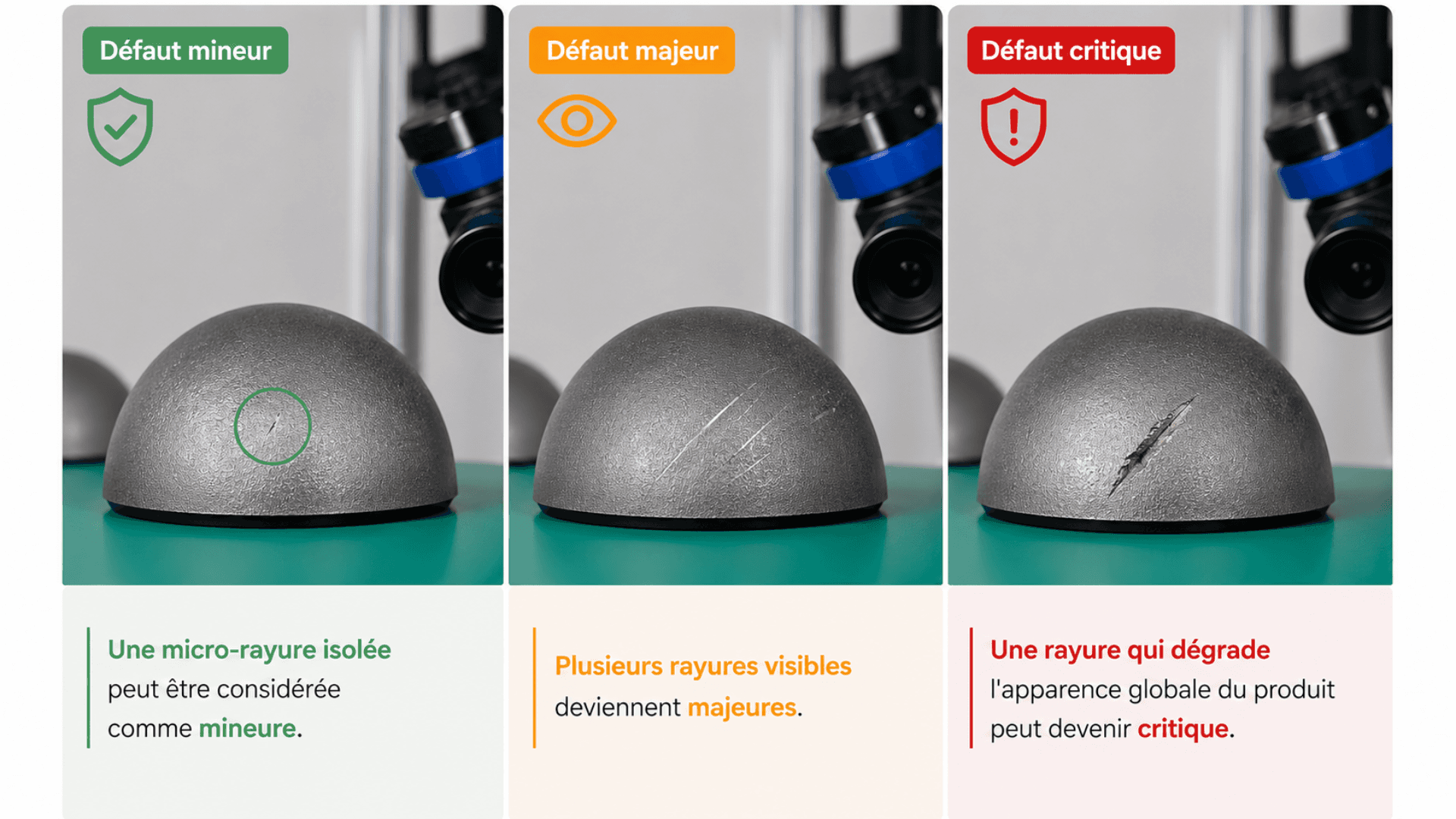
Critical Defect
The product must be rejected immediately.
Examples:
Crack
Significant lack of material
Broken part
Defect impacting safety or function
Major Defect
The Defect significantly alters the perceived quality or usage of the product.
Examples:
Deep scratch
Visible impact
Significant decoration Defect
Minor Defect
The Defect is visible but remains acceptable depending on the context of use.
Examples:
Micro-scratch
Slight variation in appearance
Small cosmetic Defect outside sensitive area
Acceptable anomaly
This category is often missing from defect libraries when it is actually essential.
In reality, not every anomaly is necessarily a Defect.
For example, in cosmetics, a small pinhole on a lipstick bullet can be acceptable or not depending on its size, position or proximity to a logo for example. The absence of this category often generates debates between quality and production teams.
Step 2: Document with real examples
A text description is never enough.
An operator, a quality technician and a production manager do not always interpret the phrase "acceptable light scratch" in the same way.
Each Defect must be illustrated by several photographic examples from real production.
The objective is not only to show what must be rejected.
It is also necessary to show what remains acceptable.
This approach significantly reduces subjectivity and facilitates the training of new employees.
Step 3: Capitalize on field expertise
The best quality experts are not always the ones who write the procedures.
In many factories, part of the knowledge is held by a few experienced operators capable of instantly identifying a critical Defect.
Building an effective quality defect library therefore implies involving:
Inspection operators
Quality managers
Production managers
Methods teams
This collaborative approach allows translating often oral knowledge into a shared reference repository.
It also facilitates team support when an automated inspection system is deployed.
Step 4: Integrate the reality of industrial constraints
A defect library must not be built in an office far from the line.
It must reflect actual production conditions.
In plastic injection, the most frequent defects will often be flashes, burns, lack of material or sink marks.
In machined metal parts, scratches, impacts, chips or porosities generally dominate.
In cosmetics and premium packaging, aesthetic defects take on a particular importance: micro-scratches, gloss defects or decorative defects.
The criteria must take into account the reality of the process and the expectations of the final customer.
Step 5: Use data to enrich the defect library
One of the limitations of manual control is the absence of usable history.
A checked part is generally forgotten a few seconds later.
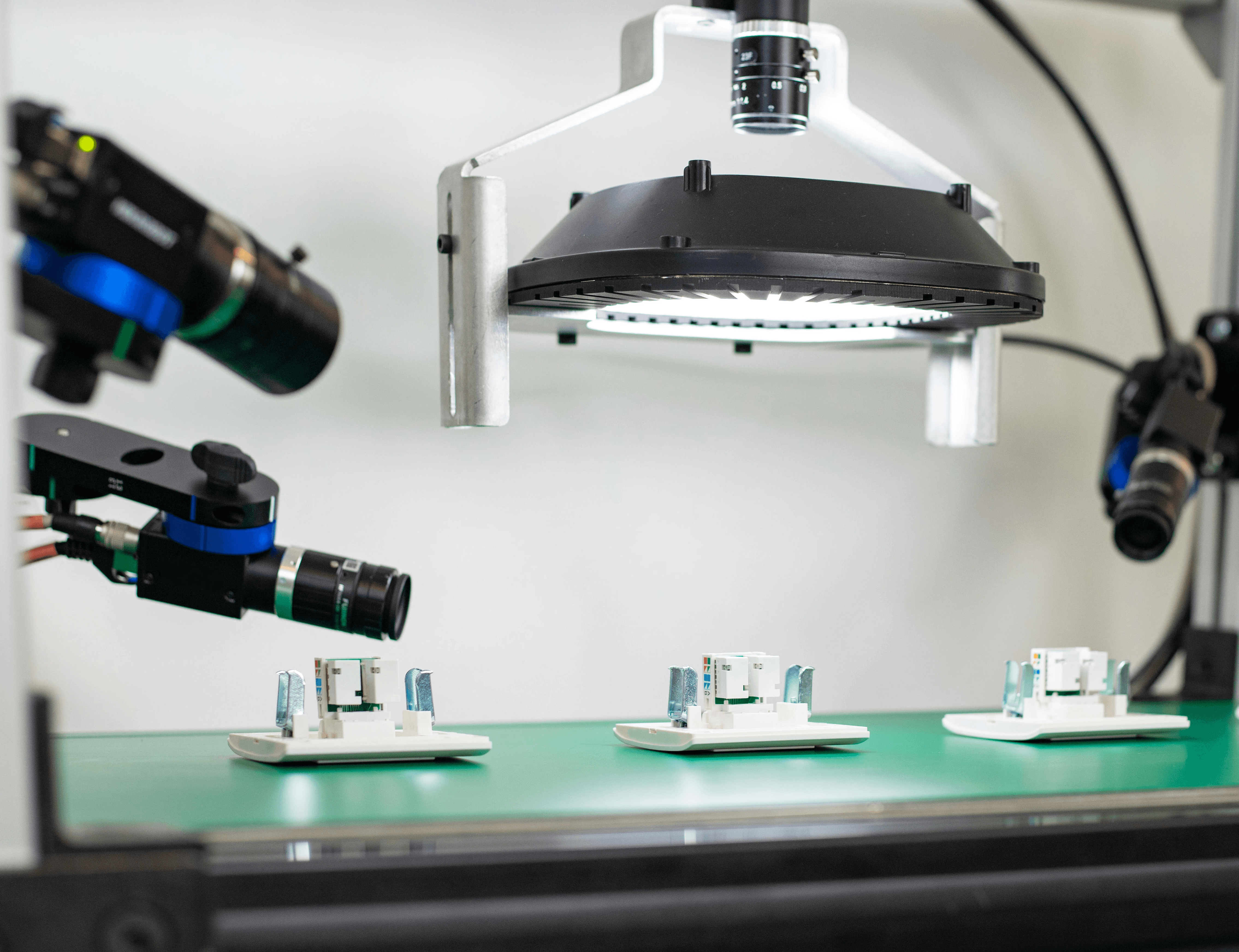
Conversely, modern inspection systems allow archiving:
Images of parts
Inspection results
Detected anomalies
Areas affected by defects
This visual memory allows continuously enriching the defect library with new real cases.
Quality managers then have recent, contextualized and representative examples of current production.
Some companies also use heat maps generated by inspection systems to precisely visualize the areas where anomalies appear most frequently. This information facilitates root cause analysis and continuous improvement.
Defect library and automation: a complementary duo
Contrary to a popular belief, automation does not replace the defect library.
It makes it even more important.
When a visual inspection AI is put in place, teams must clearly define:
What is acceptable
What is not
The expected severity level
Automation often acts as an eye-opener.
It highlights inconsistencies, gray areas and implicit criteria that already existed in manual inspection.
In this context, solutions like Spark allow not only detecting anomalies, but also generating a structured visual database that helps teams progressively enrich their defect library and objectify their quality criteria.
The benefits of a well-built defect library
An effective defect library allows:
Harmonizing quality decisions between teams
Reducing false rejects and escapes
Facilitating the training of new operators
Speeding up root cause analyses
Reducing customer complaints
Preparing automation projects more easily
Above all, it transforms quality from a logic based on individual interpretation to a logic based on shared visual evidence.
A quality defect library is not a simple catalog of defects. It is a tool for standardization, knowledge transmission and continuous improvement. Manufacturers who get the most value from it are those who consider it a living document, regularly enriched by field feedback, production data and the experience of quality teams. Building a defect library takes time, but its impact on the consistency of quality decisions and the reduction of customer complaints is long-lasting.
Here are other articles that might interest you:
· How to identify critical visual defects before customer complaints
· How to structure a quality defect library to secure your decisions
· Quality defect library: what is it for?
FAQ
What is a quality defect library?
How to build a quality defects library?
What is the difference between a defect library and quality specification?
What defects should be included in a defect library?
Why does a defect library reduce customer complaints?
How to build an effective quality defect library?
Published on
by
Scortex Team
A customer complaint arrives. A scratch has been detected on a delivered part. Immediately, the same questions come back: was this Defect already known? Was it considered acceptable? Are there similar examples? Who made the decision to accept it?
In many factories, answers are hard to find. Defects are sometimes documented in Excel files, PowerPoint presentations or quality documents that are rarely updated. Part of the knowledge also relies on the experience of the most experienced operators. Result: decisions vary from one person to another and the same debates reappear regularly.
This is precisely the role of a quality defect library. When properly built, it becomes a shared reference repository allowing quality, production and methods teams to align around a single definition of an acceptable Defect and a non-compliant Defect.
In this article, find out how to build an effective quality defect library, what pitfalls to avoid and how to transform this tool into a real leverage to reduce customer complaints.
Quality defect library: definition and role in the industry
A quality defect library is a structured library grouping the defects observed on manufactured products.
It generally contains:
Photos of real defects observed in production
A precise description of each Defect
Its level of criticality
The associated acceptance or rejection criteria
In many companies, the defect library is often confused with the quality specification. However, the distinction is important.
The defect library mainly documents known defects while the quality specification defines global decision rules, tolerances and severity levels. A high-performance defect library therefore complements the quality specification by providing concrete visual examples from the field.
Why do so many defect libraries quickly become obsolete?
Many defect libraries are created during a quality project and then forgotten.
Yet, processes are constantly changing:
New molds
New suppliers
New materials
New product references
New defects progressively appear while others disappear.
A frozen defect library eventually no longer represents the reality of production. This is one of the most frequent errors observed in quality control automation projects: quality criteria remain frozen while production continues to evolve.
A defect library must live at the pace of production.
Step 1: Define a clear classification of defects
The first mistake is to list defects in historical or alphabetical order.
An effective defect library must above all help in making a decision.
To do this, each Defect must be associated with a clearly defined level of criticality.
Critical Defect
The product must be rejected immediately.
Examples:
Crack
Significant lack of material
Broken part
Defect impacting safety or function
Major Defect
The Defect significantly alters the perceived quality or usage of the product.
Examples:
Deep scratch
Visible impact
Significant decoration Defect
Minor Defect
The Defect is visible but remains acceptable depending on the context of use.
Examples:
Micro-scratch
Slight variation in appearance
Small cosmetic Defect outside sensitive area
Acceptable anomaly
This category is often missing from defect libraries when it is actually essential.
In reality, not every anomaly is necessarily a Defect.
For example, in cosmetics, a small pinhole on a lipstick bullet can be acceptable or not depending on its size, position or proximity to a logo for example. The absence of this category often generates debates between quality and production teams.
Step 2: Document with real examples
A text description is never enough.
An operator, a quality technician and a production manager do not always interpret the phrase "acceptable light scratch" in the same way.
Each Defect must be illustrated by several photographic examples from real production.
The objective is not only to show what must be rejected.
It is also necessary to show what remains acceptable.
This approach significantly reduces subjectivity and facilitates the training of new employees.
Step 3: Capitalize on field expertise
The best quality experts are not always the ones who write the procedures.
In many factories, part of the knowledge is held by a few experienced operators capable of instantly identifying a critical Defect.
Building an effective quality defect library therefore implies involving:
Inspection operators
Quality managers
Production managers
Methods teams
This collaborative approach allows translating often oral knowledge into a shared reference repository.
It also facilitates team support when an automated inspection system is deployed.
Step 4: Integrate the reality of industrial constraints
A defect library must not be built in an office far from the line.
It must reflect actual production conditions.
In plastic injection, the most frequent defects will often be flashes, burns, lack of material or sink marks.
In machined metal parts, scratches, impacts, chips or porosities generally dominate.
In cosmetics and premium packaging, aesthetic defects take on a particular importance: micro-scratches, gloss defects or decorative defects.
The criteria must take into account the reality of the process and the expectations of the final customer.
Step 5: Use data to enrich the defect library
One of the limitations of manual control is the absence of usable history.
A checked part is generally forgotten a few seconds later.
Conversely, modern inspection systems allow archiving:
Images of parts
Inspection results
Detected anomalies
Areas affected by defects
This visual memory allows continuously enriching the defect library with new real cases.
Quality managers then have recent, contextualized and representative examples of current production.
Some companies also use heat maps generated by inspection systems to precisely visualize the areas where anomalies appear most frequently. This information facilitates root cause analysis and continuous improvement.
Defect library and automation: a complementary duo
Contrary to a popular belief, automation does not replace the defect library.
It makes it even more important.
When a visual inspection AI is put in place, teams must clearly define:
What is acceptable
What is not
The expected severity level
Automation often acts as an eye-opener.
It highlights inconsistencies, gray areas and implicit criteria that already existed in manual inspection.
In this context, solutions like Spark allow not only detecting anomalies, but also generating a structured visual database that helps teams progressively enrich their defect library and objectify their quality criteria.
The benefits of a well-built defect library
An effective defect library allows:
Harmonizing quality decisions between teams
Reducing false rejects and escapes
Facilitating the training of new operators
Speeding up root cause analyses
Reducing customer complaints
Preparing automation projects more easily
Above all, it transforms quality from a logic based on individual interpretation to a logic based on shared visual evidence.
A quality defect library is not a simple catalog of defects. It is a tool for standardization, knowledge transmission and continuous improvement. Manufacturers who get the most value from it are those who consider it a living document, regularly enriched by field feedback, production data and the experience of quality teams. Building a defect library takes time, but its impact on the consistency of quality decisions and the reduction of customer complaints is long-lasting.
Here are other articles that might interest you:
· How to identify critical visual defects before customer complaints
· How to structure a quality defect library to secure your decisions
· Quality defect library: what is it for?
FAQ
What is a quality defect library?
How to build a quality defects library?
What is the difference between a defect library and quality specification?
What defects should be included in a defect library?
Why does a defect library reduce customer complaints?
Let's discuss your quality today.

Scortex team is happy to answer your questions.
Let's discuss your quality today.
Scortex team is happy to answer your questions.

Join our newsletter
Some visuals on this site were generated using AI.
Join our newsletter
Some visuals on this site were generated using AI.