How to structure a quality defect repository to make your decisions more reliable
Published on
by
Scortex team
In many factories, defects exist long before they are formally documented.
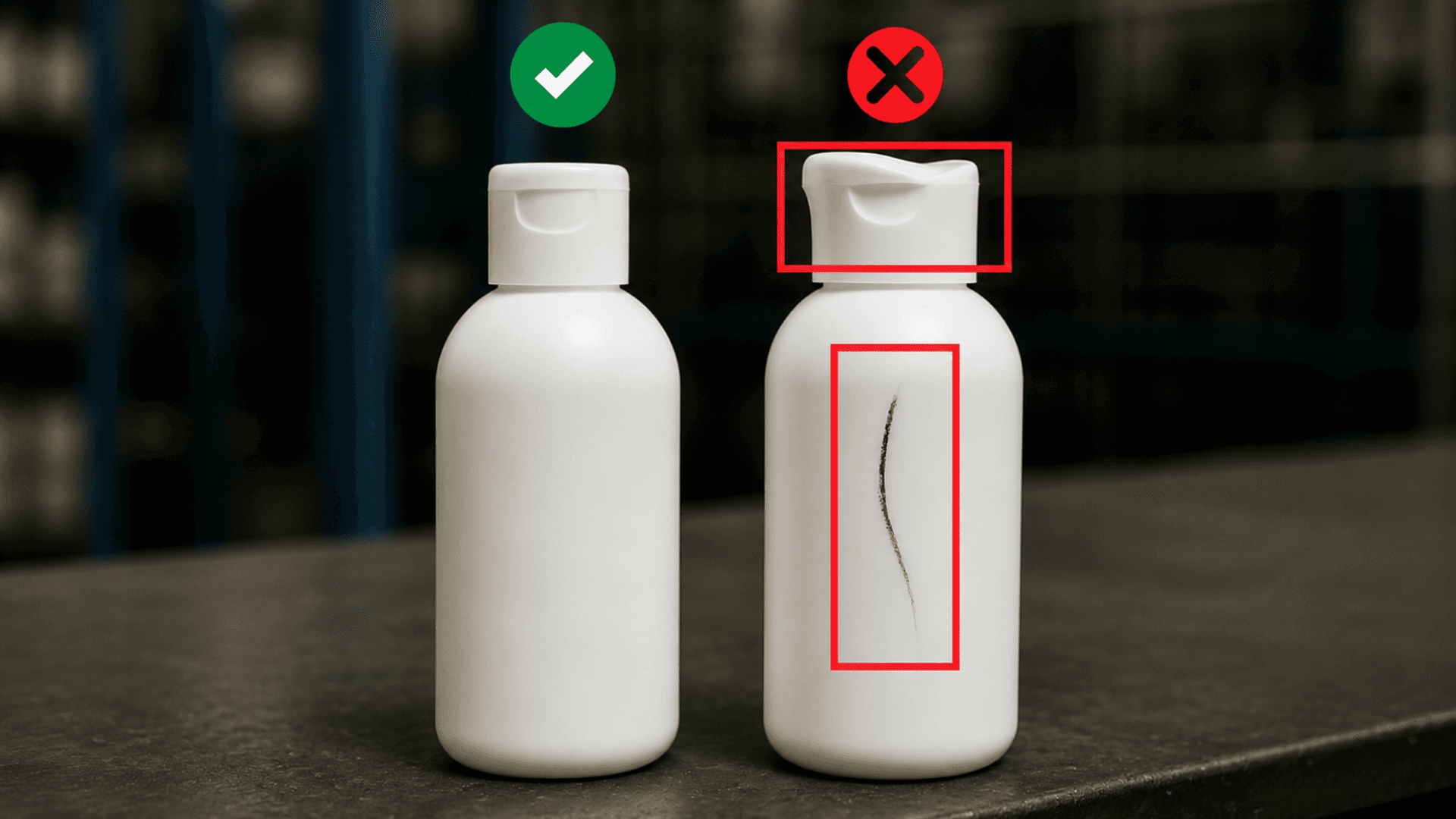
An occasional scratch on a metal part. A recurring burr on an injection-molded part. A decoration defect on packaging. Quality teams know how to recognize these anomalies, but this knowledge often remains scattered: in operators' experience, in a few locally stored photos, in quality files that are rarely used, or in informal exchanges between production and quality.
The problem quickly appears when volumes increase, teams change, or an automation project starts. Criteria become difficult to standardize. Some defects are rejected by one team but accepted by another. Quality decisions vary depending on the people, shifts, or production sites.
It is precisely to solve this instability that more and more manufacturers are seeking to structure a quality defect library.
When well built, it is not only used to archive defect photos. It becomes a real tool for standardizing quality decisions, continuous improvement, and securing AI-assisted visual inspection projects.
A quality defect library is not only used to store defects
In many companies, the defect library is still seen as a simple image library.
In reality, the most mature industrial projects use the defect library as an operational reference shared between quality, production, methods, and continuous improvement.
The goal is not only to document known defects. It is above all to create a common quality language.
When an organization begins to seriously structure its visual defects, several benefits quickly appear :
standardization of quality decisions,
better training of operators,
reduction of subjective interpretations,
faster analysis of process drift.
In some industrial environments, the defect library even becomes a central database used to drive AI-powered automated inspection projects.
Why quality decisions sometimes become inconsistent
Many manufacturers encounter a difficulty that is rarely stated clearly: two experienced people can interpret the same defect differently.
This phenomenon is particularly common in industries where visual appearance plays an important role :
cosmetics,
packaging and labels,
automotive,
machined metal parts,
plastic injection-molded parts
luxury products.
A slight scratch may be considered acceptable by one team and critical by another. A decoration defect may seem minor under one light and then very visible under another.
In some factories, this variability gradually creates :
tensions between production and quality,
false rejects,
supplier misunderstandings,
or customer complaints that are difficult to analyze.
Structuring a defect library makes it possible to gradually make these decisions more objective.
Creating a defect library: the most common mistakes
Many projects start with good intentions but quickly become unusable.
The most common mistake is to accumulate photos without a clear classification logic. After a few months, teams can no longer find the useful defects or no longer know which cases actually serve as references.
Another common mistake is wanting to document all possible defects right away. In practice, the most effective projects usually start with the defects that are truly critical for the end customer or the defects generating the most non-quality.
The most mature manufacturers first seek to structure :
recurring defects,
ambiguous cases,
defects causing complaints,
defects difficult to detect at production speed.
This approach makes the defect library much more operationally usable.
Why defect libraries become strategic with AI
We have noticed among our clients that for a long time, they built defect libraries mainly for training or quality traceability.
With the arrival of AI-assisted inspection systems, their role is changing significantly.
Teams quickly discover that an AI project does not depend solely on the algorithm. Structuring defects plays a role in performance stability.
A well-built defect library then helps teams to :
better define quality criteria,
reduce ambiguities,
make datasets more reliable,
speed up field adjustments.
AI-powered automated quality control solutions such as Spark, from Scortex, then make it possible to leverage these data in automated inspection systems capable of better handling real production variations.
Why some defect libraries are never used on the shop floor
In several factories, the defect library officially exists… but remains very little used on a daily basis.
The problem often comes from a lack of operational integration.
When consultation becomes cumbersome or teams cannot quickly find the useful cases, the tool eventually gets abandoned.
Some companies also integrate their defect library directly into their quality routines or production analysis tools so that it remains truly active.
Structuring defects also helps reduce customer complaints
Another case frequently seen among our clients: the most costly complaints concern defects already known internally but insufficiently documented.
The defect library then plays an important role in capitalizing on field experience and avoiding the repetition of the same problems.
When a defect is properly documented, teams can :
identify deviations faster,
better train new operators,
harmonize decisions between teams,
and speed up root cause analyses.
Some companies also use these defect databases to improve their exchanges with suppliers or secure quality validations during new product launches.
Creating an effective quality defect library is therefore not simply about archiving visual anomalies. It is a process of structuring quality knowledge that helps manufacturers make their decisions more consistent, more traceable, and more robust in the face of real production variations.
FAQ - Quality defect library for visual inspection
How do you create an effective quality defect library?
An effective defect library must classify defects clearly, contextualize each case, and remain easily usable by quality and production teams.
Which defects should be included first in a defect library?
Manufacturers usually start with recurring defects, defects critical for the end customer, or defects that are difficult to detect at production speed.
Why is a defect library useful for an industrial AI project?
AI inspection systems depend heavily on the quality of the data used. A well-structured defect library helps standardize quality criteria and make training more reliable.
Should a defect library contain only defects?
No. The most robust projects also document conforming products and acceptable variations in order to better define the real quality limits.
Here are other articles you may be interested in:
Quality defect library: what is it for?
What is traceability in quality control? Simple explanations
7 key missions of a Quality Manager for optimal quality control
How to structure a quality defect repository to make your decisions more reliable
Published on
by
Scortex team
In many factories, defects exist long before they are formally documented.
An occasional scratch on a metal part. A recurring burr on an injection-molded part. A decoration defect on packaging. Quality teams know how to recognize these anomalies, but this knowledge often remains scattered: in operators' experience, in a few locally stored photos, in quality files that are rarely used, or in informal exchanges between production and quality.
The problem quickly appears when volumes increase, teams change, or an automation project starts. Criteria become difficult to standardize. Some defects are rejected by one team but accepted by another. Quality decisions vary depending on the people, shifts, or production sites.
It is precisely to solve this instability that more and more manufacturers are seeking to structure a quality defect library.
When well built, it is not only used to archive defect photos. It becomes a real tool for standardizing quality decisions, continuous improvement, and securing AI-assisted visual inspection projects.
A quality defect library is not only used to store defects
In many companies, the defect library is still seen as a simple image library.
In reality, the most mature industrial projects use the defect library as an operational reference shared between quality, production, methods, and continuous improvement.
The goal is not only to document known defects. It is above all to create a common quality language.
When an organization begins to seriously structure its visual defects, several benefits quickly appear :
standardization of quality decisions,
better training of operators,
reduction of subjective interpretations,
faster analysis of process drift.
In some industrial environments, the defect library even becomes a central database used to drive AI-powered automated inspection projects.
Why quality decisions sometimes become inconsistent
Many manufacturers encounter a difficulty that is rarely stated clearly: two experienced people can interpret the same defect differently.
This phenomenon is particularly common in industries where visual appearance plays an important role :
cosmetics,
packaging and labels,
automotive,
machined metal parts,
plastic injection-molded parts
luxury products.
A slight scratch may be considered acceptable by one team and critical by another. A decoration defect may seem minor under one light and then very visible under another.
In some factories, this variability gradually creates :
tensions between production and quality,
false rejects,
supplier misunderstandings,
or customer complaints that are difficult to analyze.
Structuring a defect library makes it possible to gradually make these decisions more objective.
Creating a defect library: the most common mistakes
Many projects start with good intentions but quickly become unusable.
The most common mistake is to accumulate photos without a clear classification logic. After a few months, teams can no longer find the useful defects or no longer know which cases actually serve as references.
Another common mistake is wanting to document all possible defects right away. In practice, the most effective projects usually start with the defects that are truly critical for the end customer or the defects generating the most non-quality.
The most mature manufacturers first seek to structure :
recurring defects,
ambiguous cases,
defects causing complaints,
defects difficult to detect at production speed.
This approach makes the defect library much more operationally usable.
Why defect libraries become strategic with AI
We have noticed among our clients that for a long time, they built defect libraries mainly for training or quality traceability.
With the arrival of AI-assisted inspection systems, their role is changing significantly.
Teams quickly discover that an AI project does not depend solely on the algorithm. Structuring defects plays a role in performance stability.
A well-built defect library then helps teams to :
better define quality criteria,
reduce ambiguities,
make datasets more reliable,
speed up field adjustments.
AI-powered automated quality control solutions such as Spark, from Scortex, then make it possible to leverage these data in automated inspection systems capable of better handling real production variations.
Why some defect libraries are never used on the shop floor
In several factories, the defect library officially exists… but remains very little used on a daily basis.
The problem often comes from a lack of operational integration.
When consultation becomes cumbersome or teams cannot quickly find the useful cases, the tool eventually gets abandoned.
Some companies also integrate their defect library directly into their quality routines or production analysis tools so that it remains truly active.
Structuring defects also helps reduce customer complaints
Another case frequently seen among our clients: the most costly complaints concern defects already known internally but insufficiently documented.
The defect library then plays an important role in capitalizing on field experience and avoiding the repetition of the same problems.
When a defect is properly documented, teams can :
identify deviations faster,
better train new operators,
harmonize decisions between teams,
and speed up root cause analyses.
Some companies also use these defect databases to improve their exchanges with suppliers or secure quality validations during new product launches.
Creating an effective quality defect library is therefore not simply about archiving visual anomalies. It is a process of structuring quality knowledge that helps manufacturers make their decisions more consistent, more traceable, and more robust in the face of real production variations.
FAQ - Quality defect library for visual inspection
How do you create an effective quality defect library?
An effective defect library must classify defects clearly, contextualize each case, and remain easily usable by quality and production teams.
Which defects should be included first in a defect library?
Manufacturers usually start with recurring defects, defects critical for the end customer, or defects that are difficult to detect at production speed.
Why is a defect library useful for an industrial AI project?
AI inspection systems depend heavily on the quality of the data used. A well-structured defect library helps standardize quality criteria and make training more reliable.
Should a defect library contain only defects?
No. The most robust projects also document conforming products and acceptable variations in order to better define the real quality limits.
Here are other articles you may be interested in:
Quality defect library: what is it for?
What is traceability in quality control? Simple explanations
7 key missions of a Quality Manager for optimal quality control
Let's discuss your quality today.

Scortex team is happy to answer your questions.
Let's discuss your quality today.
Scortex team is happy to answer your questions.

Join our newsletter
Some visuals on this site were generated using AI.
Join our newsletter
Some visuals on this site were generated using AI.