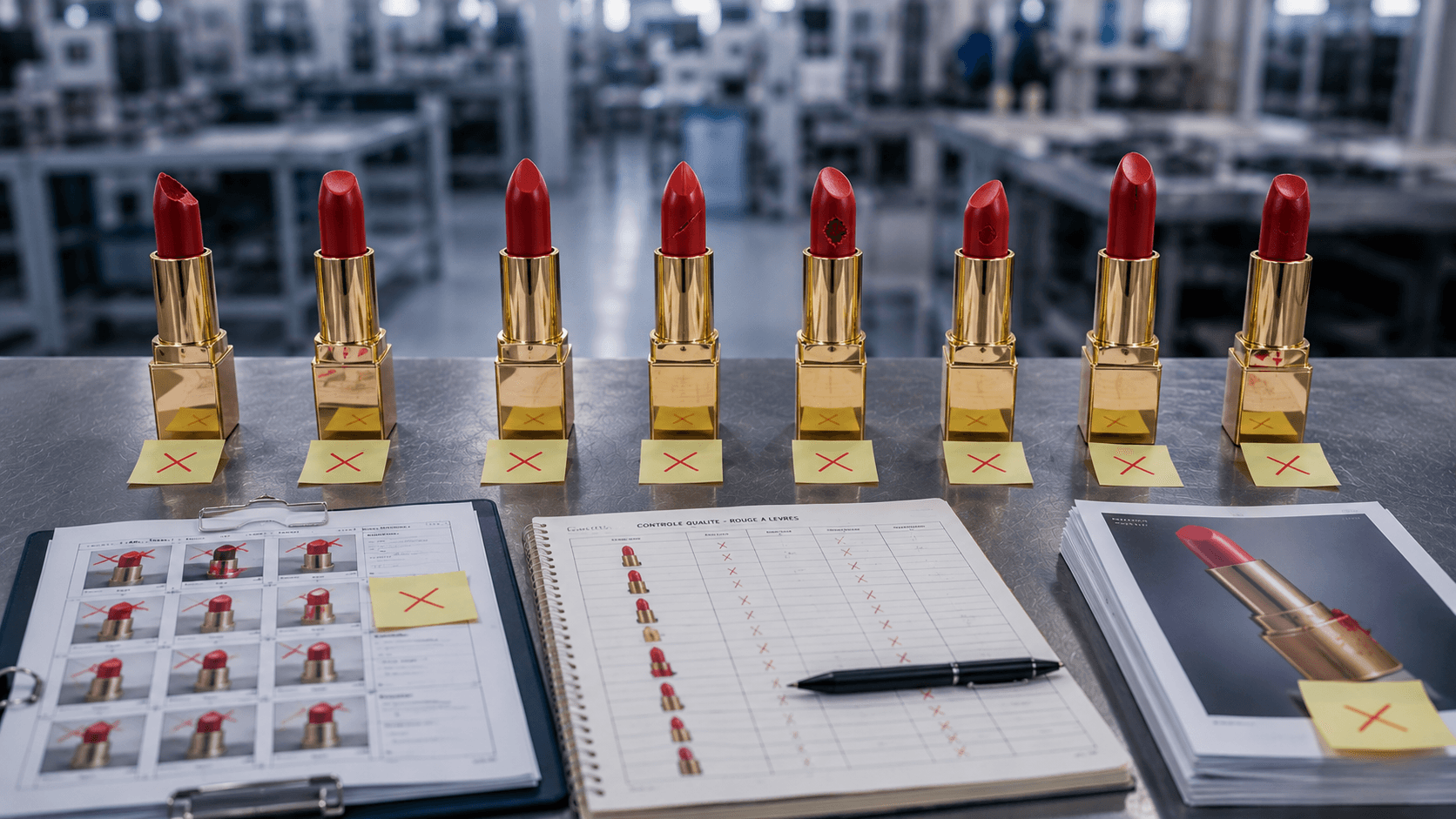
Industrial Defect Library: 8 mistakes to avoid when creating it
Published on
by
Scortex Team
An industrial Defect library is often perceived as a simple collection of Defects. A few photos, a few descriptions, and the matter seems resolved. Yet, on the ground, things are rarely so simple.
In many factories, quality criteria still rely in part on the experience of the most seasoned operators. The most common Defects are documented, but borderline cases, acceptable anomalies, or exceptional situations are much less so. This reality becomes particularly visible during an audit, a shift change, or the deployment of an automated inspection system.
A poorly constructed Defect library can then produce the opposite effect of what was intended: more interpretations, inconsistent decisions, and difficulties in maintaining a consistent quality level.
The good news is that these pitfalls are often the same from one industry to another. Throughout projects carried out in cosmetics, packaging, plastic injection, or high-value-added metal parts, certain errors systematically recur. Here are the ones that are best avoided from the start.
Why does an industrial Defect library often fail?
Most Defect libraries are not abandoned because they are useless.
They gradually become disconnected from the reality of production.
Over time, products evolve, materials change, new Defects appear, and teams develop their own inspection habits. The reference standard remains the same while the factory changes.
It is precisely in this context that the main errors occur when creating a Defect library.
Error #1: Building a theoretical Defect library
The first error consists of creating a reference standard based on existing procedures without observing what is actually happening on the production lines.
In practice, the Defects that generate the most difficulties are not always those described in quality documents.
A relevant Defect library must be fed by:
Defects observed in production;
recurring scrap;
quality complaints;
feedback from operators and quality managers.
The closer it is to the ground reality, the more it will be used.
Error #2: Documenting only Defects to be rejected
This is probably one of the most underestimated errors.
In many companies, the Defect library only showcases non-compliant parts.
Yet, the difficulty does not always lie in identifying obvious Defects. It is often located in the grey areas.
At a leading cosmetics manufacturer, for example, certain cosmetic Defects may be acceptable or not depending on their size, position, or the reference in question. Without examples of acceptable cases, teams each interpret the criteria in their own way.
Documenting tolerated anomalies is therefore just as important as documenting critical Defects.
Error #3: Forgetting operator knowledge
Some companies entrust the creation of the Defect library exclusively to the quality department.
This approach often deprives the project of an essential source of information: field experience.
Experienced operators generally know how to recognize situations that are difficult to formalize in a document. They know the recurring Defects, the special cases, and the pitfalls specific to the manufacturing process.
Involving them right from the creation of the reference standard significantly improves its relevance and adoption.
Error #4: Not prioritizing Defects
Not all Defects have the same impact.
Yet, some Defect libraries simply present a list of non-conformities without any concept of criticality.
This approach complicates decision-making and team training.
A simple categorization is generally sufficient:
critical Defect;
major Defect;
minor Defect;
acceptable anomaly.
This classification facilitates trade-offs and improves the consistency of quality decisions.
Error #5: Using examples that are too perfect
Many Defect libraries are built using photographs taken under ideal conditions.
The problem is that real-world production does not always look like these examples.
Variable lighting, reflections, complex geometries, dust, or specific surface finishes can significantly alter the perception of a Defect.
In environments involving shiny parts or fine decorations, this difference becomes particularly important.
The best reference standards use examples taken directly from actual production.
Error #6: Never updating the Defect library
A static Defect library ages quickly.
A new supplier, new material, new mold, or new process: each of these changes can cause new Defects to appear.
Yet, many companies view the Defect library as a finished project once its first version is published.
The most successful organizations update it regularly so that it remains representative of current production conditions.
Error #7: Neglecting inspection data
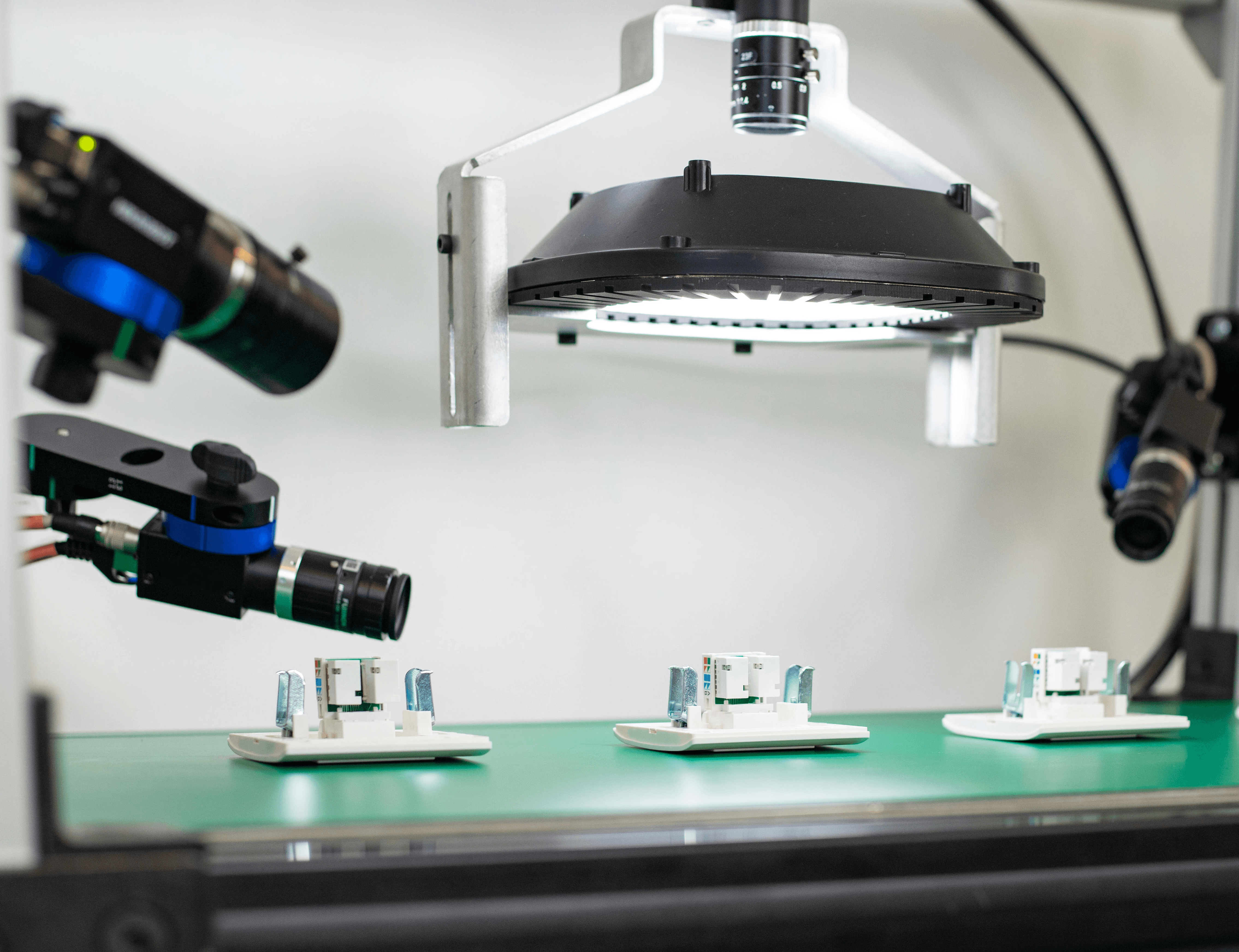
The arrival of automated inspection systems profoundly changes the way a Defect library can be enriched.
Each inspection today produces valuable information:
images of the parts;
inspection history;
location of anomalies;
evolution of Defects over time.
This data constitutes an exceptional source for evolving the reference standard.
Some companies even use the heatmaps generated by their inspection systems to identify the areas most frequently affected by Defects and enrich their library with real cases.
Error #8: Believing that the Defect library is enough on its own
A Defect library is not a quality specification.
It complements existing rules.
Some companies hope to solve all their quality problems by accumulating photos of Defects. In reality, the reference standard must work in addition to the procedures, production standards, and acceptance criteria defined by the company.
It is this combination that enables consistent and reproducible decisions.
Why do these errors become visible during an automation project?
Automation projects often act as a revelator.
A machine applies criteria consistently. It does not rely on habits, interpretations, or implicit knowledge.
When quality criteria are unclear, inconsistencies appear immediately.
This is why manufacturers deploying a solution like Spark often spend time clarifying their reference standard before launching the project. The goal is not to replace manual quality control but to formalize existing knowledge to make it more robust and more easily shareable.
In many cases, automation also helps to enrich the Defect library through continuously collected images and historical inspection data.
An effective industrial Defect library is not just a collection of Defects. It must reflect field reality, evolve with production, and capture the experience accumulated by the teams. Companies that avoid these errors generally have a more robust reference standard, one that is more useful on a daily basis and better suited for future continuous improvement projects.
Here are other articles that might interest you:
FAQ
What is the most common error when creating an industrial defect library?
Should a defect library be updated regularly?
Who should participate in the creation of a defect library?
Can a defect library be created without an automated inspection system?
What is the difference between a defect library and a quality specification?
Industrial Defect Library: 8 mistakes to avoid when creating it
Published on
by
Scortex Team
An industrial Defect library is often perceived as a simple collection of Defects. A few photos, a few descriptions, and the matter seems resolved. Yet, on the ground, things are rarely so simple.
In many factories, quality criteria still rely in part on the experience of the most seasoned operators. The most common Defects are documented, but borderline cases, acceptable anomalies, or exceptional situations are much less so. This reality becomes particularly visible during an audit, a shift change, or the deployment of an automated inspection system.
A poorly constructed Defect library can then produce the opposite effect of what was intended: more interpretations, inconsistent decisions, and difficulties in maintaining a consistent quality level.
The good news is that these pitfalls are often the same from one industry to another. Throughout projects carried out in cosmetics, packaging, plastic injection, or high-value-added metal parts, certain errors systematically recur. Here are the ones that are best avoided from the start.
Why does an industrial Defect library often fail?
Most Defect libraries are not abandoned because they are useless.
They gradually become disconnected from the reality of production.
Over time, products evolve, materials change, new Defects appear, and teams develop their own inspection habits. The reference standard remains the same while the factory changes.
It is precisely in this context that the main errors occur when creating a Defect library.
Error #1: Building a theoretical Defect library
The first error consists of creating a reference standard based on existing procedures without observing what is actually happening on the production lines.
In practice, the Defects that generate the most difficulties are not always those described in quality documents.
A relevant Defect library must be fed by:
Defects observed in production;
recurring scrap;
quality complaints;
feedback from operators and quality managers.
The closer it is to the ground reality, the more it will be used.
Error #2: Documenting only Defects to be rejected
This is probably one of the most underestimated errors.
In many companies, the Defect library only showcases non-compliant parts.
Yet, the difficulty does not always lie in identifying obvious Defects. It is often located in the grey areas.
At a leading cosmetics manufacturer, for example, certain cosmetic Defects may be acceptable or not depending on their size, position, or the reference in question. Without examples of acceptable cases, teams each interpret the criteria in their own way.
Documenting tolerated anomalies is therefore just as important as documenting critical Defects.
Error #3: Forgetting operator knowledge
Some companies entrust the creation of the Defect library exclusively to the quality department.
This approach often deprives the project of an essential source of information: field experience.
Experienced operators generally know how to recognize situations that are difficult to formalize in a document. They know the recurring Defects, the special cases, and the pitfalls specific to the manufacturing process.
Involving them right from the creation of the reference standard significantly improves its relevance and adoption.
Error #4: Not prioritizing Defects
Not all Defects have the same impact.
Yet, some Defect libraries simply present a list of non-conformities without any concept of criticality.
This approach complicates decision-making and team training.
A simple categorization is generally sufficient:
critical Defect;
major Defect;
minor Defect;
acceptable anomaly.
This classification facilitates trade-offs and improves the consistency of quality decisions.
Error #5: Using examples that are too perfect
Many Defect libraries are built using photographs taken under ideal conditions.
The problem is that real-world production does not always look like these examples.
Variable lighting, reflections, complex geometries, dust, or specific surface finishes can significantly alter the perception of a Defect.
In environments involving shiny parts or fine decorations, this difference becomes particularly important.
The best reference standards use examples taken directly from actual production.
Error #6: Never updating the Defect library
A static Defect library ages quickly.
A new supplier, new material, new mold, or new process: each of these changes can cause new Defects to appear.
Yet, many companies view the Defect library as a finished project once its first version is published.
The most successful organizations update it regularly so that it remains representative of current production conditions.
Error #7: Neglecting inspection data
The arrival of automated inspection systems profoundly changes the way a Defect library can be enriched.
Each inspection today produces valuable information:
images of the parts;
inspection history;
location of anomalies;
evolution of Defects over time.
This data constitutes an exceptional source for evolving the reference standard.
Some companies even use the heatmaps generated by their inspection systems to identify the areas most frequently affected by Defects and enrich their library with real cases.
Error #8: Believing that the Defect library is enough on its own
A Defect library is not a quality specification.
It complements existing rules.
Some companies hope to solve all their quality problems by accumulating photos of Defects. In reality, the reference standard must work in addition to the procedures, production standards, and acceptance criteria defined by the company.
It is this combination that enables consistent and reproducible decisions.
Why do these errors become visible during an automation project?
Automation projects often act as a revelator.
A machine applies criteria consistently. It does not rely on habits, interpretations, or implicit knowledge.
When quality criteria are unclear, inconsistencies appear immediately.
This is why manufacturers deploying a solution like Spark often spend time clarifying their reference standard before launching the project. The goal is not to replace manual quality control but to formalize existing knowledge to make it more robust and more easily shareable.
In many cases, automation also helps to enrich the Defect library through continuously collected images and historical inspection data.
An effective industrial Defect library is not just a collection of Defects. It must reflect field reality, evolve with production, and capture the experience accumulated by the teams. Companies that avoid these errors generally have a more robust reference standard, one that is more useful on a daily basis and better suited for future continuous improvement projects.
Here are other articles that might interest you:
FAQ
What is the most common error when creating an industrial defect library?
Should a defect library be updated regularly?
Who should participate in the creation of a defect library?
Can a defect library be created without an automated inspection system?
What is the difference between a defect library and a quality specification?
Let's discuss your quality today.

Scortex team is happy to answer your questions.
Let's discuss your quality today.
Scortex team is happy to answer your questions.

Join our newsletter
Some visuals on this site were generated using AI.
Join our newsletter
Some visuals on this site were generated using AI.